
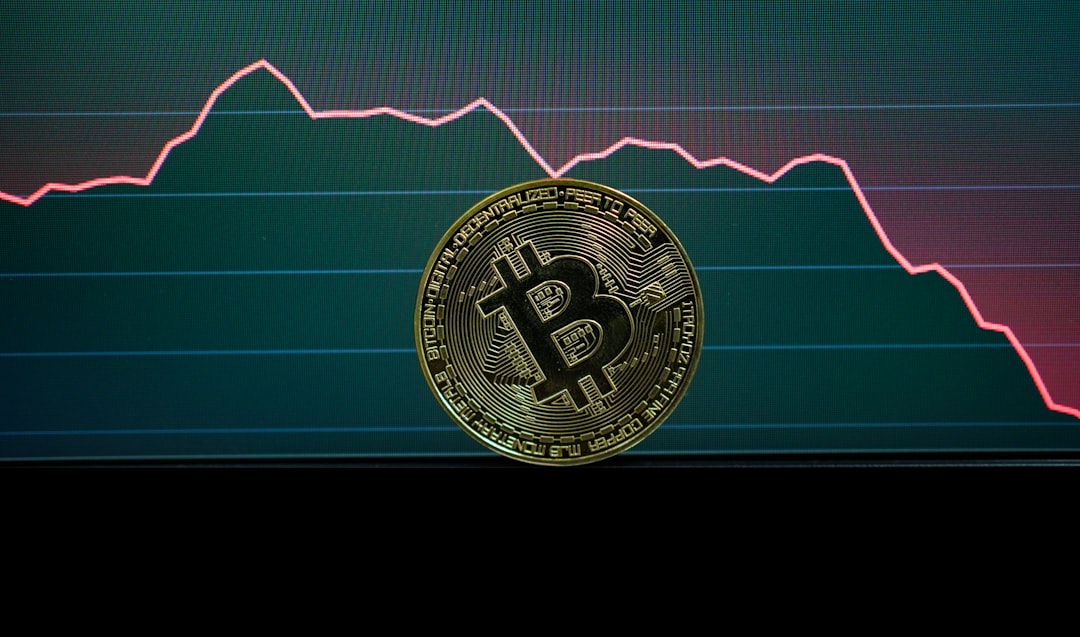

Bitcoin continues to trade approximately 21 percent above its realized price, a metric that reflects the average cost basis of all coins based on their last on-chain movement. This gap indicates that the majority of current holders remain in profit. However, analysts note that this level does not yet correspond to the classic long-term accumulation zones seen in previous market cycles. Historically, such zones have formed when spot prices converge much more closely with the realized price.
The premium between Bitcoin’s spot price and its realized price has compressed sharply in recent months, falling from around 120 percent in late 2024 to the current 21 percent. This rapid narrowing points to a fast-moving compression phase rather than a completed market reset. In prior cycles, a full reset has typically required a more prolonged period of price consolidation or decline before a sustainable recovery takes hold.
On-chain data currently show no evidence of a capitulation event, which is generally characterized by widespread selling at a loss among long-term holders. Such events have historically marked the final stages of bear markets and preceded major recoveries. The absence of this signal suggests the market may not have reached a definitive bottom.
Analysts also point to a lack of any broad institutional surge in demand as a further indication that the market reset remains incomplete. Institutional accumulation has in past cycles served as a key driver of recovery phases. Without clear evidence of this dynamic emerging, the data do not support a conclusion that a new sustained uptrend is underway.
Based on current on-chain readings, a deeper drawdown toward the realized price, which sits near $54,000, may be required to mirror the conditions seen at the bottom of previous market cycles. Whether such a move materializes depends on broader market conditions and shifts in investor behavior. Until the spot price approaches that level or capitulation signals emerge, on-chain metrics suggest caution for those interpreting current prices as a long-term entry point.
Originally reported by CoinDesk.