
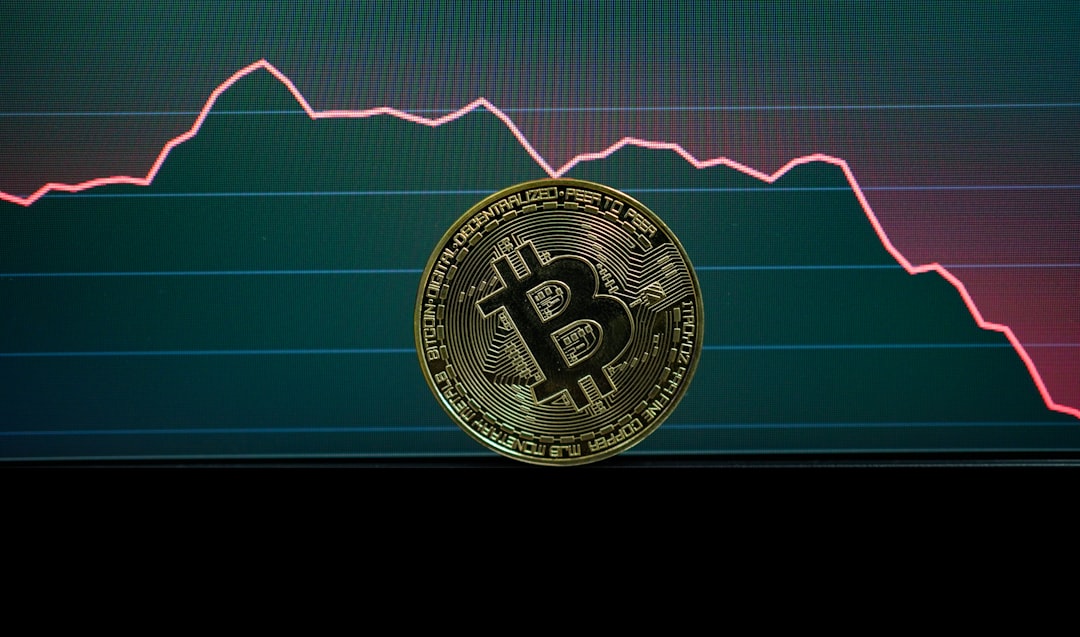

Bitcoin may no longer move in lockstep with Federal Reserve policy decisions, as the rise of spot bitcoin exchange-traded funds has fundamentally altered how the asset is priced. Institutional participation through these vehicles appears to have shifted market dynamics toward forward-looking positioning rather than reactive responses to central bank actions. This represents a notable departure from the behavior observed in earlier market cycles.
Since 2024, Bitcoin‘s correlation with global central bank easing has turned strongly negative, a development that analysts interpret as BTC leading monetary policy signals rather than lagging them. In previous cycles, risk assets including cryptocurrencies tended to rally in response to easing measures after they were announced. The current pattern suggests the market is pricing in central bank pivots well ahead of traditional financial markets.
Crypto-native factors are increasingly seen as the primary drivers of bitcoin’s price action. Policy progress within the digital asset space and growing institutional capital flows are cited as forces that may carry more weight than the direction of monetary easing itself. This shift implies that bitcoin’s price discovery mechanism has matured in ways that distinguish it from other macro-sensitive assets.
The emergence of spot bitcoin ETFs is central to this structural change, as these products have brought a new class of institutional investors into the market. These participants tend to take positions based on longer-term outlooks rather than short-term reactions to interest rate decisions. Their presence has added a layer of forward-looking demand that was not previously present in the market.
The implications of this decoupling extend to how traders and analysts model bitcoin’s behavior relative to the broader macroeconomic environment. If BTC consistently anticipates central bank pivots earlier than traditional markets, it could alter its role in diversified portfolios. Observers note that crypto-specific developments may now serve as leading indicators rather than coincident ones in the context of global monetary conditions.
Originally reported by CoinDesk.