
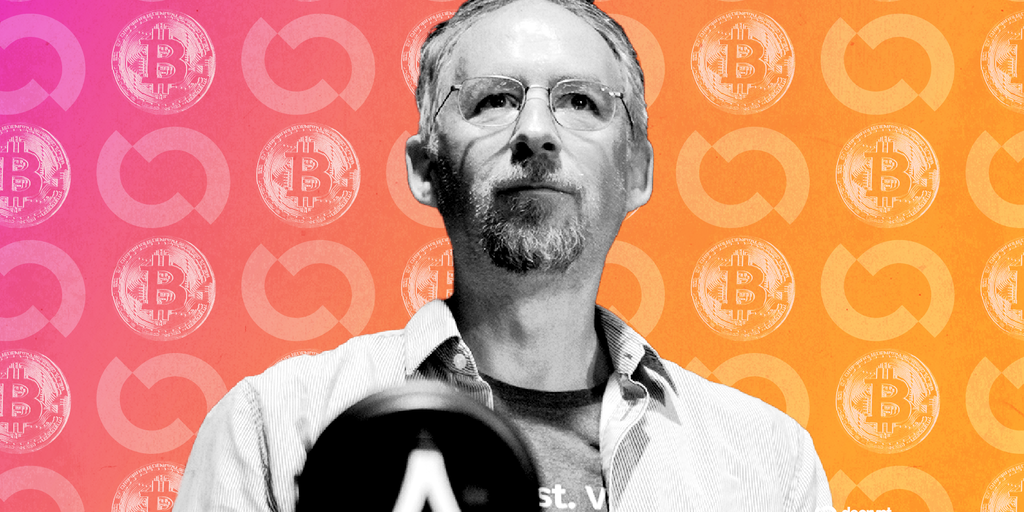

Adam Back, a prominent figure in the Bitcoin community, has once again rejected claims that he is the pseudonymous creator of Bitcoin, known as Satoshi Nakamoto. His denial came on Wednesday via a post to X, responding directly to a New York Times exposé that named him as the leading candidate behind the identity. “I am not Satoshi,” Back wrote, characterizing the article as a “combination of coincidence and similar phrases from people with similar experience and interests.” The piece was authored by John Carreyrou, a two-time Pulitzer Prize winner previously known for exposing the multibillion-dollar fraud at health technology company Theranos.
Carreyrou’s investigation spanned 18 months and examined as many as 620 potential suspects before narrowing its focus to Back. The reporter drew on grammar analysis, archival research, and in-person interviews to build his case. He identified distinct writing habits, recurring technical terminology, and specific errors shared between Back’s online posts and emails and those attributed to Satoshi over the years. These similarities, Carreyrou concluded, pointed consistently toward Back as the individual behind the pseudonym.
The investigation also highlighted substantive connections between Back’s technical work and Bitcoin’s foundational design. Back is credited with being among the first to conceive of features central to Bitcoin’s architecture, and he developed deep expertise in public-key cryptography, which underpins the network’s security. The report further noted that Back and Satoshi shared similar concerns about email spam, adding another layer to the circumstantial case Carreyrou assembled.
A key moment in the exposé involved a conversation between Carreyrou and Back held in El Salvador. When Carreyrou referenced Satoshi’s self-description as someone “better with code than words,” Back responded: “I did a lot of talking for somebody, I mean … I mean, I’m not saying I’m good with words but I sure did a lot of yakking on these lists actually.” Carreyrou interpreted the remark as an inadvertent slip suggesting Back was speaking from personal experience as Satoshi. Back later pushed back on this reading, arguing on X that the statement reflected his observation about being active on the Bitcoin development mailing list and that confirmation bias had colored the reporter’s interpretation.
Reaction online was mixed, with many in the Bitcoin community expressing skepticism. Teddy Fusaro, president of crypto asset manager Bitwise, questioned the conclusion by pointing to Back’s current business activities. “Yes, I’m sure Satoshi is doing a bitcoin treasury company with Cantor Fitzgerald,” Fusaro wrote sarcastically. “That definitely passes the smell test.” The remark reflected a broader sentiment among some observers that Satoshi’s known preference for anonymity would be inconsistent with Back’s public-facing corporate role.
The article also brought renewed attention to Back’s personal history. It follows earlier revelations that he had been invited to the island of convicted sex offender Jeffrey Epstein. Documents released by the U.S. Department of Justice additionally showed that Epstein had invested in Blockstream, a Bitcoin infrastructure company that Back co-founded and leads as chief executive. These disclosures had already placed Back under scrutiny before the Satoshi question resurfaced.
Carreyrou is not the first to link Back to Satoshi through textual analysis. The late British-American computer programmer John McAfee, who died in 2021, made a similar claim in an interview with CoinTelegraph, citing Back’s use of double spaces at the start of sentences and British spellings as matching habits found in Satoshi’s writing. McAfee suggested that basic authorship software applied to Bitcoin‘s white paper would confirm the connection within minutes. Satoshi’s true identity has remained unknown since Bitcoin emerged 17 years ago, and has been the subject of numerous books, documentaries, and investigations linking the name to figures including cypherpunks Hal Finney and Nick Szabo, as well as a Japanese-American man named Dorian Nakamoto.
Originally reported by Decrypt.