
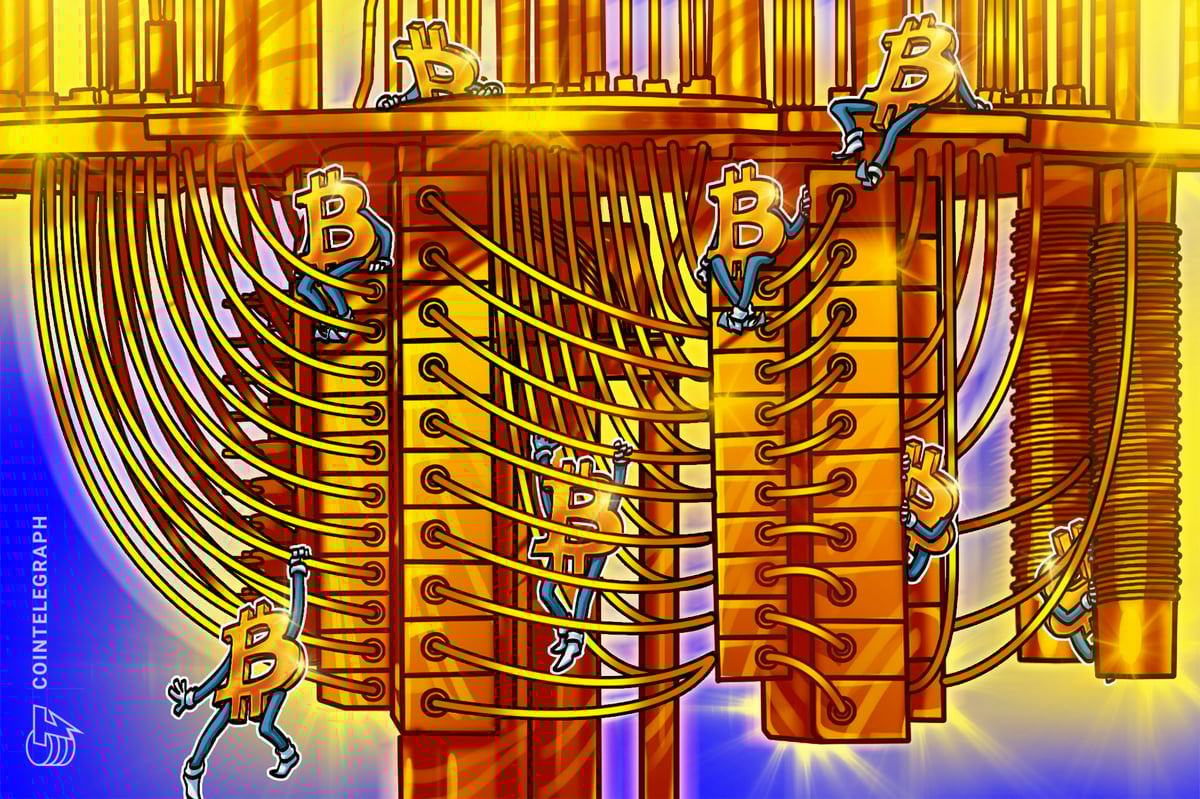

Grayscale head of research Zach Pandl argues that the primary obstacle to addressing the quantum computing threat to Bitcoin is not technical but social. The concern centers on whether the Bitcoin community can reach consensus on a path forward before the threat becomes urgent. Pandl’s comments follow a paper released by Google on March 30, which suggested that a quantum computer could potentially break Bitcoin’s cryptographic protections using far fewer resources than previously estimated.
Despite the alarm raised by Google’s findings, Pandl maintains that Bitcoin carries lower risk than other cryptocurrencies from a structural standpoint. He points to several factors: Bitcoin uses a UTXO model and proof-of-work consensus, lacks native smart contracts, and certain address types are not vulnerable to quantum attacks. These characteristics, he argues, give Bitcoin a degree of built-in resilience that other blockchain networks do not share.
The more pressing issue, according to Pandl, is what the Bitcoin community decides to do about old dormant coins. Roughly 1.7 million BTC are locked in early P2PK addresses, including an estimated 1 million BTC attributed to Satoshi, currently valued at approximately $68 billion. These holdings are considered quantum-vulnerable because their public keys are exposed on the blockchain, making them potential targets if sufficiently powerful quantum computers emerge.
The community faces three broad options for handling coins whose private keys have been lost or are otherwise inaccessible. The first is to burn those coins entirely, removing them from circulation. The second is to deliberately slow their release by limiting the rate at which funds can be spent from vulnerable addresses. The third option is to take no action at all. Each approach carries significant implications for Bitcoin’s supply, security, and governance.
Pandl also referenced an ongoing dispute within the Bitcoin community that dates back to 2023, when the introduction of Bitcoin Ordinals — a technology that allows data such as images and text to be inscribed onto a satoshi, the smallest unit of Bitcoin — sparked fierce debate over the use of block space. Although that controversy has somewhat subsided, the two camps involved continue to hold opposing views, illustrating how difficult it can be for the community to resolve contentious issues.
Other blockchain networks are already moving ahead with post-quantum preparations. Solana and the XRP Ledger are both experimenting with post-quantum cryptography, while the Ethereum Foundation published its own post-quantum roadmap in February. Pandl echoed Google’s call to action, stating that it is “time to get started” and that blockchains broadly need to adopt post-quantum cryptographic standards.
Despite the urgency in his tone, Pandl stopped short of sounding an immediate alarm for investors, writing that they “should not fret” for now. However, he stressed that efforts to prepare for a post-quantum future need to accelerate. The combination of technical preparation and community coordination, he implied, will determine how well Bitcoin weathers the eventual arrival of capable quantum computing systems.
Originally reported by CoinTelegraph.