
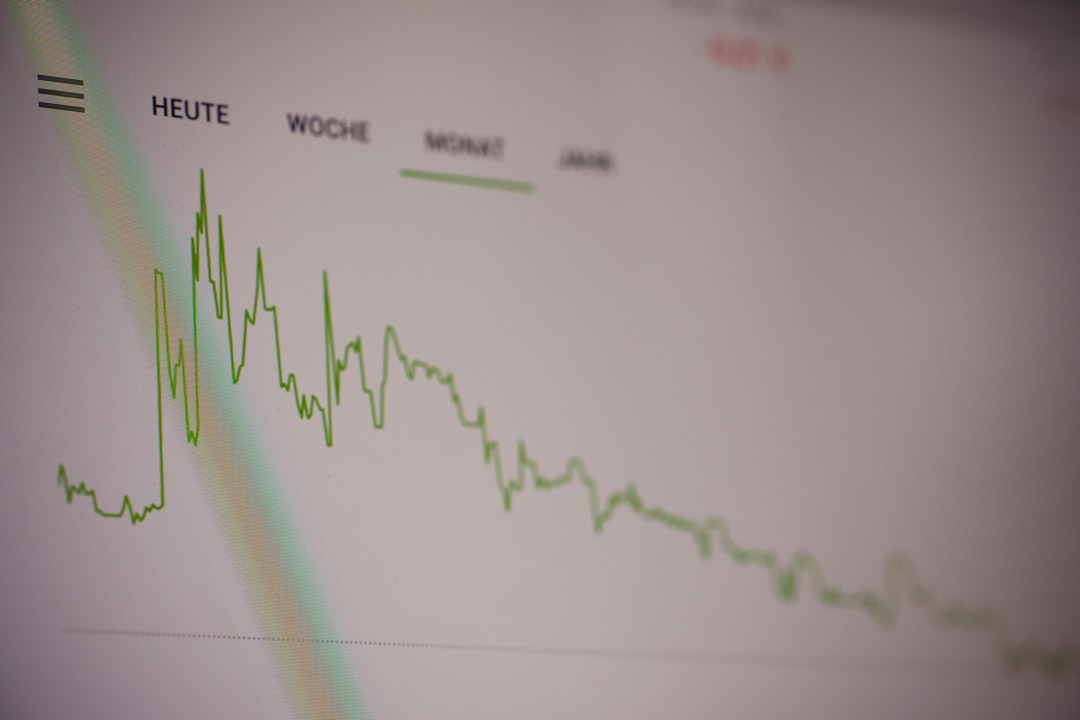

Bitcoin traders appear largely unfazed by an upcoming U.S. inflation report, with options markets pricing in a move of only 2.5% around the release. This subdued positioning comes despite broader macroeconomic concerns that might otherwise stoke volatility. The muted expectation suggests many market participants view the data as unlikely to deliver a major surprise.
Implied volatility in bitcoin has fallen to its lowest level since January, a notable development given the current economic backdrop. March CPI is expected to register at 3.4%, partly driven by an energy price shock linked to tensions involving Iran. Despite that elevated inflation forecast, derivatives markets are not reflecting heightened anxiety among bitcoin traders.
Analysts have pointed out that each successive inflation reading carries meaningful consequences for Federal Reserve rate-cut expectations. Shifts in those expectations, in turn, have historically influenced bitcoin’s price direction. This creates a disconnect between the concerns voiced by experts and the relatively calm positioning visible in current market pricing.
The gap between analyst caution and trader complacency is drawing attention within the crypto community. Some observers warn that underpricing volatility ahead of a significant macroeconomic release carries its own risks. If the CPI figure deviates meaningfully from forecasts, the market’s muted positioning could amplify any resulting price swing.
The situation underscores the complex relationship between traditional financial indicators and cryptocurrency markets. Bitcoin has increasingly responded to macroeconomic data as institutional participation in the asset class has grown. How traders interpret Friday’s inflation figures may offer fresh insight into that evolving dynamic.
Originally reported by CoinDesk.